Source Wide Leg Eco-Friendly Canvas Pants for Fire, Mining, and Chemical Work
Compare 30 listings of Wide Leg Eco-Friendly Canvas Pants designed for fire, mining, and chemical environments. Buyers can evaluate specifications like flame retardancy, material composition, and customization options from verified Chinese manufacturers.
Key considerations
Products List


New Commuting High Waist Hanging Straight Leg Wide Leg Casual Formal Women's Pants
$19.13 - $28.19
MOQ: 50 pieces


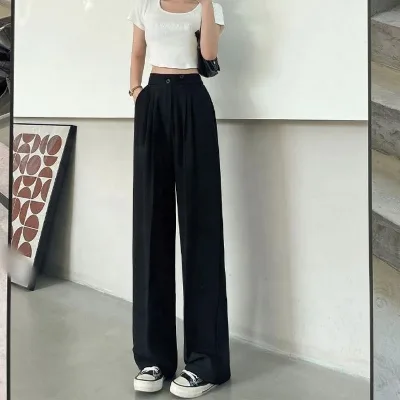

Customized High-Waisted Loose Casual Straight-Leg Wide-Leg Work Pants
$13.58 - $14.88
MOQ: 1000 Pieces


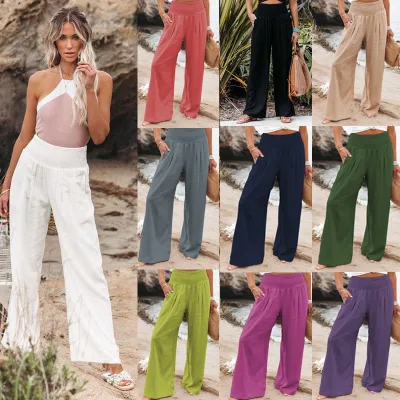
Elegant Linen-Like Texture Wide Leg Pants with Comfortable Relaxed Fit
$11.00 - $13.90
MOQ: 100 Pieces




Comprehensive Sourcing Guide
Wide Leg Eco-Friendly Canvas Pants Sourcing Guide
Sourcing wide leg eco-friendly canvas pants requires a nuanced understanding of material composition, structural design, and regulatory compliance. The term "canvas" traditionally implies a durable, plain-woven fabric, often made from cotton or cotton-blend fibers, which aligns with the observed product attributes of cotton and polyester materials. However, the "eco-friendly" designation introduces a layer of complexity, as it may refer to organic cotton sourcing, recycled polyester content, or specific chemical management standards. Buyers must distinguish between marketing claims and verifiable material certifications, ensuring that the fabric weight, weave density, and finish meet the durability expectations associated with canvas while adhering to sustainability goals.
The wide leg silhouette offers distinct advantages in terms of comfort, breathability, and aesthetic versatility, making it suitable for both industrial workwear and casual fashion applications. Observed product data indicates a variety of fits, including straight, loose, and wide leg options, with features such as elastic waists, drawcords, and slant pockets. These design elements suggest a focus on user comfort and functional utility. Procurement teams should evaluate how these structural features impact manufacturing complexity, particularly regarding pattern grading and seam reinforcement, which can influence unit costs and production lead times.
Product Scope and Observed Listing Signals
The current market landscape for wide leg canvas pants reveals a diverse range of product specifications, with observed models varying significantly in material composition and intended use. Data indicates the presence of products made from cotton, polyester, and viscose, with some listings highlighting thermal insulation, flame retardancy, and wear resistance. This suggests that the category spans from basic casual wear to specialized protective gear. Buyers should carefully review product attributes such as tensile strength, tear strength, and washing durability to determine if the product meets their specific operational or retail requirements. For instance, observed tensile strength values exceeding 1500n and tear strength higher than 35n indicate robust construction suitable for demanding environments.
Packing and origin details provide additional context for supply chain planning. Products are observed to originate from various regions in China, including Xinxiang, Henan, and Nanchang, Jiangxi, with packing methods ranging from individual polybags to export cartons. The observed MOQ ranges from 2 to over 20,000 units, reflecting the flexibility of suppliers to accommodate both small-batch custom orders and large-scale production runs. Buyers should note that customization is widely available, allowing for adjustments in color, size, and design elements such as stripe patterns or formal styling. This flexibility is crucial for brands seeking to differentiate their offerings through unique design features or specific color palettes.
Technical Specifications to Verify
Material composition is a critical technical specification that directly impacts the performance, comfort, and sustainability profile of wide leg canvas pants. Buyers must verify the exact fiber content, as observed data includes cotton, polyester, and 100% viscose options. For eco-friendly claims, verification of organic cotton certification or recycled polyester content is essential. Additionally, fabric weight and weave density should be confirmed to ensure the canvas meets durability standards. Observed thickness variations, ranging from thin to medium, suggest that buyers should specify the desired fabric weight to avoid receiving products that are either too flimsy or excessively heavy for their intended use.
Structural specifications such as leg width, waist design, and pocket configuration also require precise definition. Observed features include straight, loose, and wide legs, with elastic waists and drawcords for adjustability. Slant pockets are commonly noted, but buyers should confirm the number, placement, and reinforcement of pockets to ensure functionality. Size ranges typically span from M to 2XL, with customization options available for specific measurements. Buyers should provide detailed size charts and tolerance levels to suppliers to ensure consistent fit across production batches, particularly for wide leg styles where pattern grading can significantly affect the final silhouette.
Compliance and Safety Documentation
Regulatory compliance is paramount, especially for products marketed as eco-friendly or intended for industrial use. Observed standards include GB 8965, NFPA, EN, Nfpa2112, ASTM F1506, EN11611, EN11612, and EN1149, indicating that some products are designed for fire protection and electrical safety. Buyers must verify which standards apply to their specific product category and target market. For eco-friendly claims, certifications such as GOTS (Global Organic Textile Standard) may be relevant, although buyers should request valid certificates from accredited bodies rather than relying on supplier assertions. Chemical compliance, including formaldehyde content limits, is also critical, with observed values requiring less than 75/300ppm.
Safety documentation should include test reports for flammability, tensile strength, and colorfastness, particularly for products used in hazardous environments. Buyers should ensure that suppliers provide comprehensive compliance packages, including material safety data sheets (MSDS) and test certificates from recognized laboratories. For products intended for the European market, REACH compliance and OEKO-TEX certification may be required. Buyers should also verify that the supplier has a robust quality management system in place to ensure consistent compliance across production batches, as deviations in chemical or physical properties can lead to regulatory penalties and product recalls.
Cost Drivers and Commercial Terms
Several factors influence the cost of wide leg eco-friendly canvas pants, including material costs, labor, and compliance expenses. The choice of fabric, such as organic cotton versus conventional cotton or recycled polyester, significantly impacts unit costs. Observed price ranges vary widely, from $0.5 to over $200,000, reflecting differences in product complexity, material quality, and order volume. Buyers should request detailed cost breakdowns to understand the contribution of each component to the final price. Additionally, customization options, such as specific colors, patterns, or packaging, may incur additional charges.
Commercial terms, including MOQ, lead time, and payment conditions, are critical for supply chain planning. Observed MOQs range from 2 to 20,000 units, offering flexibility for different business models. Buyers should negotiate favorable terms based on order volume and long-term partnership potential. Lead times can vary depending on material availability and production complexity, so buyers should confirm realistic delivery schedules and build in buffer time for potential delays. Payment terms, such as deposits and balance payments, should be structured to mitigate risk while maintaining a positive supplier relationship.
Supplier Qualification and Quality Control
Supplier qualification is a foundational step in ensuring the reliability and quality of wide leg eco-friendly canvas pants. Buyers should conduct thorough due diligence, including site visits, audits of production facilities, and verification of certifications. Observed origins in Xinxiang, Henan, and Nanchang, Jiangxi, suggest that buyers should assess the local supply chain infrastructure and logistics capabilities. Suppliers with experience in producing protective workwear or sustainable fashion products may offer higher quality and better compliance. Buyers should also evaluate the supplier's ability to handle customization requests and maintain consistent quality across large orders.
Quality control measures should be integrated into the procurement process, from raw material inspection to final product verification. Buyers should establish clear quality standards and inspection criteria, including checks for fabric defects, stitching quality, and dimensional accuracy. Third-party inspection services can provide an additional layer of assurance, particularly for large orders or new supplier relationships. Buyers should also implement a feedback loop to address any quality issues promptly and continuously improve the procurement process. Regular communication with suppliers regarding quality expectations and performance metrics is essential for maintaining high standards.
Long-Term Procurement Checks
Sustainable sourcing practices require ongoing monitoring and evaluation to ensure that eco-friendly claims remain valid and that suppliers adhere to ethical and environmental standards. Buyers should regularly review supplier performance metrics, including quality, delivery, and compliance records. Continuous improvement initiatives, such as reducing waste, optimizing energy usage, and sourcing more sustainable materials, should be encouraged and tracked. Buyers should also stay informed about evolving regulations and market trends related to sustainable fashion and workwear, adjusting their procurement strategies accordingly.
Building long-term relationships with suppliers based on transparency, trust, and mutual benefit is crucial for securing a reliable supply of high-quality wide leg eco-friendly canvas pants. Buyers should engage in regular dialogue with suppliers to discuss challenges, opportunities, and future plans. Collaborative efforts, such as joint product development or shared sustainability goals, can strengthen partnerships and drive innovation. By prioritizing long-term value over short-term cost savings, buyers can create a resilient and sustainable supply chain that supports their business objectives and brand reputation.
FAQs
What materials are used for Wide Leg Eco-Friendly Canvas Pants?
The pants are primarily made from cotton or polyester blends. Some specific models feature 100% viscose fabric content. These materials are selected to ensure durability and comfort for industrial or casual wear applications.
Which standards do these thermal protection pants meet?
These pants comply with multiple international safety standards including GB 8965, NFPA, EN11611, EN11612, and EN1149. They also meet ASTM F1506 requirements for flame retardancy and thermal insulation in hazardous work environments.
Can I customize the size and color of these pants?
Yes, customization is available for both size and color. Sizes range from M to 2XL with options for custom measurements. Buyers can select from standard colors like orange or navy or choose from a specific color book.
How durable are the tensile and tear strengths of the fabric?
The fabric demonstrates high durability with tensile strength exceeding 1500n and tear strength higher than 35n. These properties ensure the pants withstand rigorous use in industries like mining, chemical handling, and electric power maintenance.
What is the washing durability of the thermal protection pants?
The pants maintain their protective qualities for more than 100 washing times. This high wash durability ensures long-term performance and safety compliance even after repeated cleaning cycles in industrial laundry facilities.
Where are these pants manufactured and what is the origin?
The products originate from China, specifically from locations like Xinxiang, Henan, and Nanchang, Jiangxi. Factories in these regions specialize in producing flame retardant and thermal insulation workwear for global export markets.
What packaging options are available for bulk orders?
Standard packaging involves placing one piece in a separate polybag, with multiple units packed in export cartons. Custom packaging requirements can also be accommodated based on specific buyer needs and shipping logistics.